
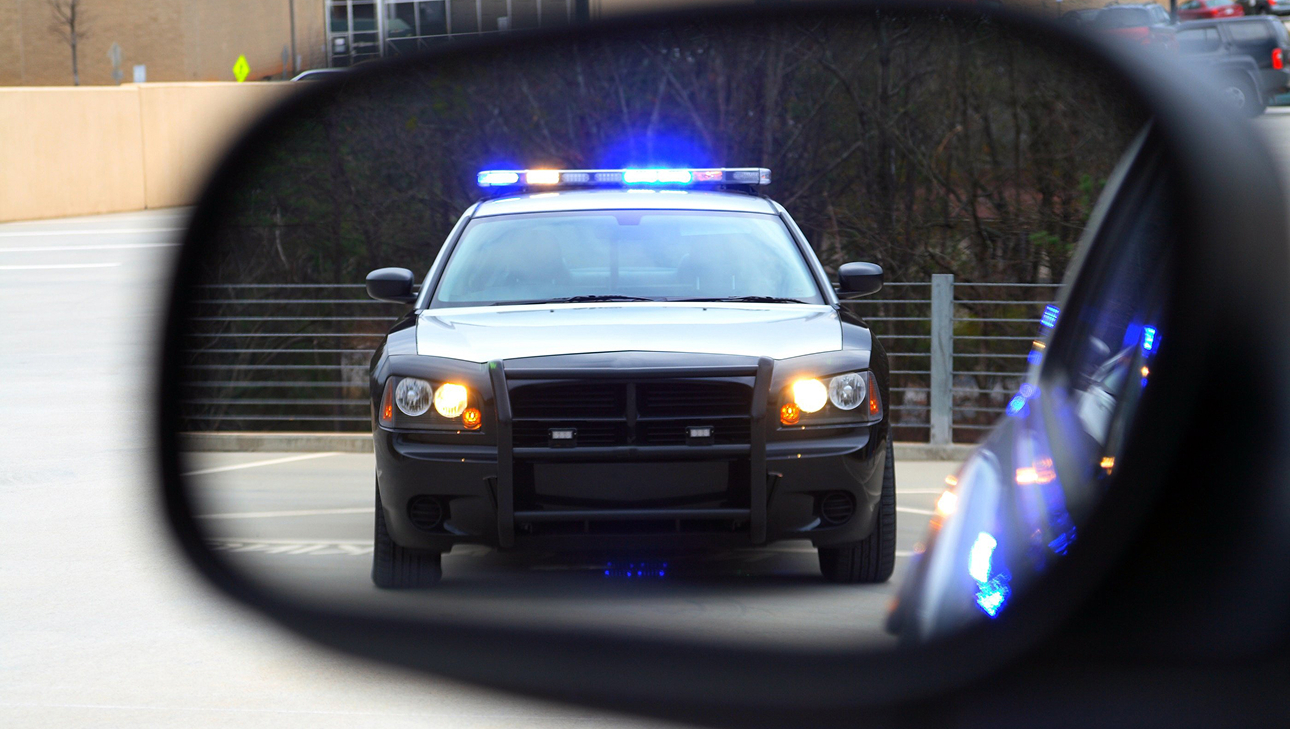
Washington law enforcement agencies now have a new device in their DUI enforcement toolkit: oral fluid roadside testing. As of January 1, 2026, officers can now use portable devices to test drivers' saliva for the presence of drugs during traffic stops.
If you're pulled over and an officer asks you to take an oral fluid test, knowing your rights is critical. At DUIHeroes, our Snohomish County DUI attorneys want to make sure every Washington driver understands what these tests are, how they work, and—most importantly—what you're required to do (and what you're not).
What Is Oral Fluid Testing?
Oral fluid testing uses a portable device to analyze a sample of your saliva for the presence of specific drugs. Common testing methods include using a swab or collection pad to absorb enough saliva for a sample. The sample will then be analyzed, providing results that indicate whether certain drugs are present above a predetermined threshold.
What these tests detect: Cannabis (THC), cocaine, methamphetamine, opiates, amphetamines, and other controlled substances, depending on the device.
What they do NOT provide: Quantifiable drug levels, evidence of impairment, precise concentration measurements, or legal evidence for prosecution.
A DUI saliva test is primarily a screening tool that helps officers decide whether to pursue a full DUI investigation, not definitive evidence.
The Most Important Thing: It's Completely Voluntary
Oral fluid roadside testing is entirely voluntary in Washington State.
Under RCW 46.61.5062, you can refuse an oral fluid test without any penalty. You cannot be arrested for refusing, have your license suspended, face criminal penalties, or be forced to take the test.
If you decline, your refusal cannot be used as evidence against you.
What Officers Must Tell You
Before administering an oral fluid test, officers must inform you that:
- The test is voluntary, and you can refuse
- Results cannot be used against you in court
- This is NOT compliance with implied consent requirements
- This does NOT replace breath or blood testing after arrest
These advisements protect your rights and ensure you understand what you're being asked to do.
How This Differs from Implied Consent Testing
Saliva testing is conducted roadside during an initial stop. Its purpose is to help an officer establish probable cause and make a DUI arrest. It is voluntary, and there are no penalties for refusing. Tests that fall under the umbrella of “implied consent” are conducted after a person is arrested on suspicion of DUI. These breath or blood tests are conducted at the station or a medical facility, and refusing has consequences in accordance with RCW 46.20.308. The results of a post-arrest test can be used as evidence against you.
What Saliva DUI Test Results Actually Mean (and Don't Mean)
It is important to understand what saliva DUI test results show…and what they don’t.
A positive oral fluid test indicates:
- Specific drugs are present in the saliva above the device's threshold
- The drugs may have been used recently
A positive result does NOT indicate:
- Current impairment
- An inability to safely operate a vehicle
- The concentration of drugs in the blood
- When the drugs were used
- Whether the drugs are affecting driving ability
Some drugs remain detectable in saliva for days after use, long after any impairing effects have worn off. Drug presence doesn't equal impairment.
Privacy Protections
RCW 46.61.5062 includes strict privacy protections concerning saliva testing:
- Biological samples must be destroyed within 24 hours
- DNA samples and results cannot be entered into any database
- Personal identifying information must be protected
- Law enforcement agencies are strictly liable for violations
Strict liability means if an agency violates these rules, they're automatically liable—no exceptions.
What to Do If You're Asked to Take an Oral Fluid Test
If an officer asks you to take an oral fluid test during a traffic stop, understanding your options and the potential consequences of each choice is crucial.
You have three options:
- Politely decline the test
- Agree to take the test (knowing the results can't be used in court)
- Ask clarifying questions: "Is this required?" or "Am I legally obligated to take this test?"
If You Agree to Take the Test
Taking the test provides the officer with additional information about your situation, even though the results cannot be used as evidence in court.
Here's what typically happens:
- If the test is positive for drugs, the officer will almost certainly continue the DUI investigation
- You'll likely be asked to perform field sobriety tests
- The officer may arrest you for DUI based on the totality of their observations
- While the oral fluid result itself cannot be used as evidence against you, it gives the officer more justification to continue investigating and potentially arrest you
Even a negative result doesn't guarantee the investigation will end. The officer may still pursue DUI charges based on other observations, like your driving pattern, physical appearance, or performance on field sobriety tests.
If You Decline the Test
Refusing the oral fluid test is well within your rights and carries no legal penalties:
- The officer cannot force you to take the test
- You cannot be arrested simply for refusing
- Your refusal cannot be used as evidence against you
- The officer may continue their investigation based on other observations (your driving, speech, eyes, etc.)
- The officer may still arrest you for DUI if they believe they have probable cause based on other factors
The Choice Is Yours
From a legal defense perspective, taking a voluntary oral fluid test provides no benefit to you. Even though the results can't be used in court, a positive result gives the officer additional justification to arrest you and continue building their case through other means. You have the absolute right to decline voluntary testing, and exercising that right cannot be held against you.
You can politely decline oral fluid testing, just as you would decline field sobriety tests. A simple, respectful response is sufficient: "I appreciate you explaining the test, but I'd prefer not to take it."
Common Misconceptions About Saliva Testing for DUI
"If I refuse, they'll get a warrant."
Reality: Warrants are for blood tests after arrest, not roadside oral fluid tests.
"A positive test means I'll be convicted."
Reality: Oral fluid results cannot be used as evidence in court.
"This is the same as a breathalyzer."
Reality: Breathalyzers provide quantifiable measurements that can be used in court. Oral fluid tests cannot.
"I have to take this or lose my license."
Reality: Absolutely not. Oral fluid testing is voluntary with zero penalties for refusing.
Your Rights During Any DUI Stop
Remember your fundamental rights:
- You have the right to remain silent
- You have the right to decline voluntary tests (oral fluid, field sobriety, preliminary breath tests)
- You have the right to an attorney after arrest
Be polite but firm when asserting your rights, and involve a DUI defense attorney as soon as possible.
Contact a Snohomish County DUI Lawyer at DUIHeroes
If you've been arrested for DUI or are under investigation (whether or not oral fluid testing was involved), time is critical. The sooner you involve an experienced DUI attorney, the better we can protect your rights and build your defense.
At DUIHeroes, we've been preparing for Washington's oral fluid testing laws and understand how this new enforcement tool fits into DUI investigations. Our team knows how to challenge the reliability of screening devices, distinguish between drug presence and actual impairment, identify protocol violations, and aggressively defend drug DUI cases.
Our exclusive focus on DUI defense means we stay current on every enforcement tool law enforcement uses—and more importantly, how to defend against them. We've helped countless clients in Snohomish County and throughout Washington State navigate complex DUI charges and achieve the best possible outcomes.
Call DUIHeroes 24/7 at (425) 296-9358 or contact us online for a free, confidential consultation.
DUIHeroes serves clients throughout Snohomish County and Washington State, including Lynnwood, Everett, Marysville, Arlington, Mukilteo, Edmonds, and beyond.
More in This Series